
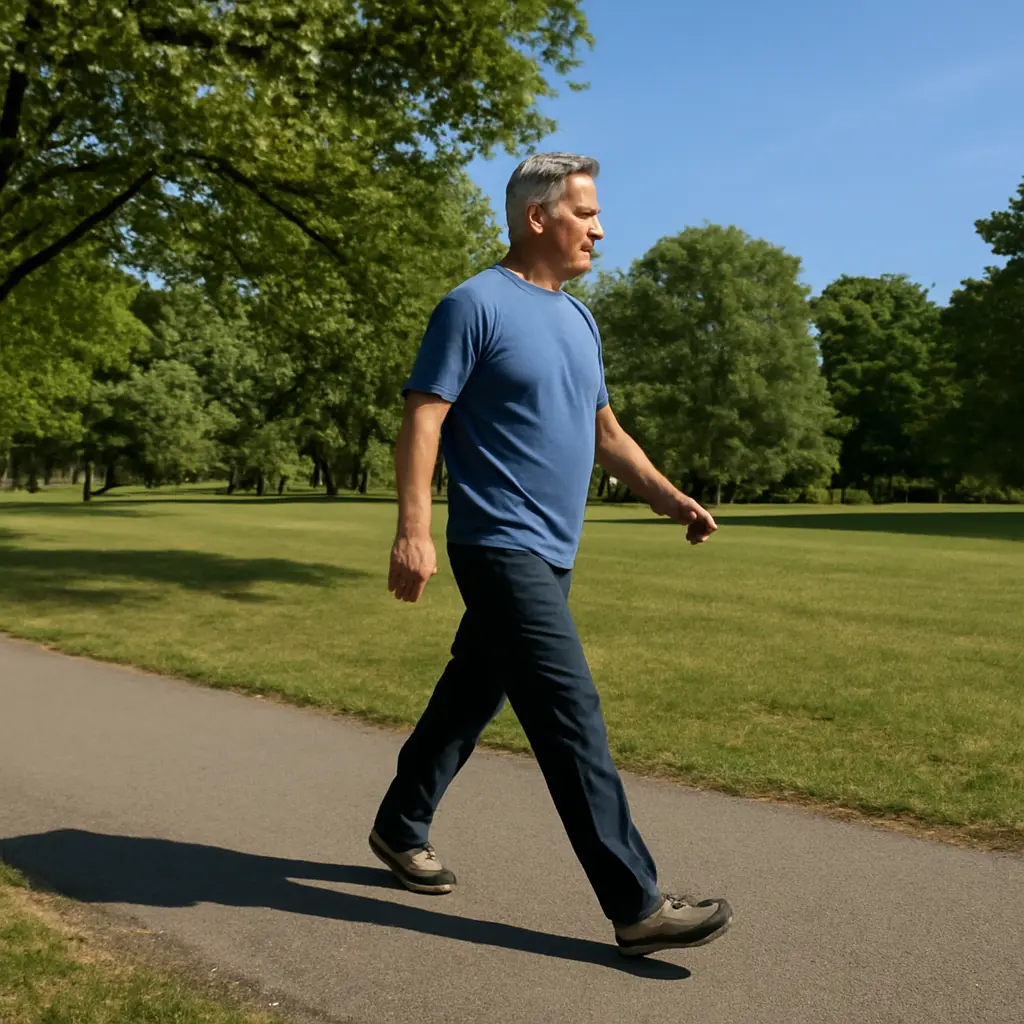
Starting to work out in midlife can feel less like a simple fitness upgrade and more like learning a new language: recovery takes planning, old aches may resurface, and progress can be slower than expected—but the benefits are still substantial. Midlife exercise means building or returning to regular physical activity during adulthood, often while balancing work, family, and changing health needs. The key is not to train as if you were 20, nor to assume your body is too old to improve: public-health guidance recommends a mix of aerobic activity and muscle strengthening, while research shows that adults can gain strength at many ages. This guide looks at what changes, how to start safely, which training approaches fit different goals, and how to make consistency realistic.
Midlife exercise changes how you should approach training
Midlife exercise is not a clinical category with one universal age cutoff. It generally refers to physical activity begun or resumed in the middle decades of adulthood, when fitness may be shaped by years of inactivity, existing conditions, work demands, and gradual age-related changes. The U.S. Centers for Disease Control and Prevention (CDC) recommends that adults aim for at least 150 minutes of moderate-intensity aerobic activity each week, plus muscle-strengthening activity on at least two days. The recommendation is a destination, not a starting test: adults who are inactive can build toward it gradually.
The reason to begin is broader than weight loss or appearance. Regular activity supports cardiovascular health, muscle and bone strength, balance, mood, and the ability to carry out everyday tasks. The World Health Organization (WHO) estimates that adults should do 150–300 minutes of moderate-intensity aerobic activity, or 75–150 minutes of vigorous activity, weekly, alongside muscle strengthening. Those targets may sound demanding, but shorter bouts count, and some activity is better than none.
Aging affects recovery, but improvement remains possible
Recovery is the time the body needs to adapt after a workout. In midlife, sleep quality, stress, prior injuries, and health conditions may have a bigger practical effect on recovery than age alone. People may notice that soreness lingers or that consecutive hard sessions feel less manageable. That does not mean training is unsafe; it means workload, rest, and progression matter.
Strength training remains useful well beyond midlife. A review published in the journal Sports Medicine found that resistance training can improve muscle strength in older adults, with outcomes influenced by the program and the person’s starting point. The practical lesson applies to beginners in midlife too: muscles respond to appropriately challenging, repeated effort. Begin with manageable resistance and focus on controlled movement rather than proving how much you can lift.
Health history can shape the safest starting point
A gradual start is sensible for most people, but symptoms and medical history can change what is appropriate. If you have a chronic condition, have been inactive for a long time, or are unsure how exercise may affect your health, ask a healthcare professional for individualized advice. Stop exercising and seek urgent medical help for warning signs such as chest pain, fainting, or severe, unusual shortness of breath.
Midlife exercise works best when it balances cardio, strength, and mobility
The CDC’s adult activity guidance combines aerobic exercise with muscle strengthening because they serve related but distinct purposes. Aerobic activity challenges the heart and lungs; resistance training loads muscles and supports strength; balance and mobility work help people move with control. These categories overlap in real life: brisk walking is aerobic, carrying groceries uses strength, and getting up from the floor practices mobility and functional movement.
Low-impact cardio makes consistency easier
Moderate-intensity aerobic activity raises breathing and heart rate while still allowing conversation, though singing would be difficult. Walking, cycling, swimming, and dancing are common options. Low-impact choices can be useful for people who find running uncomfortable, but there is no single best activity. The best choice is one that suits your health, preferences, access, and schedule well enough to repeat.
A practical beginning might be a 10- to 20-minute walk several times a week, increasing duration or frequency only when the current amount feels manageable. WHO guidance emphasizes that activity can be accumulated across the week; the target does not require one long workout every day. For an illustration, a simple chart could compare weekly minutes from short walks, cycling sessions, and longer weekend activity to show how different schedules add up.
Strength training protects useful capacity
Strength training is exercise that makes muscles work against resistance, such as body weight, resistance bands, machines, or free weights. The CDC advises adults to strengthen all major muscle groups on at least two days per week. A beginner could start with one or two sets of movements such as chair squats, wall push-ups, band rows, and hip hinges, using a range of motion that feels controlled and pain-free.
The goal at first is to learn the movement and establish a repeatable habit. When a set becomes comfortable, add a small amount of resistance or a few repetitions rather than making several changes at once. Sharp pain, worsening joint pain, or a loss of control is a reason to stop and reassess the exercise—not a signal to push through.
Balance and mobility support everyday movement
Mobility is the ability to move joints through useful ranges, while balance is the ability to maintain control of the body in stillness or motion. Gentle mobility exercises, single-leg balance near a stable support, and practicing sit-to-stand movements can complement cardio and resistance work. These exercises are not a substitute for the core activity recommendations, but they can help make daily tasks and other workouts feel more manageable.
Midlife exercise needs sustainable progression, not a dramatic reset
Progressive training means increasing the challenge over time in a way the body can tolerate. For a new exerciser, “more” can mean adding a few minutes, repeating a session consistently, or learning a movement with better control. A sudden jump from inactivity to daily intense workouts can make soreness, fatigue, or injury more likely and can undermine the habit before it takes hold.
Use the talk test and recovery as feedback
The talk test is a simple way to gauge aerobic effort: at moderate intensity, you can talk but not sing. Pair it with how you feel later that day and the following morning. Mild muscle soreness can occur when beginning a new routine, but persistent or escalating pain, unusual exhaustion, and declining ability to complete ordinary tasks suggest the plan may need adjustment.
Rest days do not mean failure. They provide space for recovery and can include easy walking or gentle movement if that feels good. Sleep, hydration, and adequate food also influence how a person feels during training, although individual needs vary and medical or nutrition advice should be personalized.
A realistic weekly plan beats an ideal plan you cannot repeat
A workable schedule connects exercise to existing routines. For example, someone might take three 20-minute brisk walks and complete two short strength sessions in a week, then gradually build duration. Another person may prefer cycling and a weekend hike. Both can work if the plan progresses toward public-health targets and fits the person’s circumstances.
Track a few useful measures rather than every detail: sessions completed, minutes of activity, the resistance used, and how the body feels. These records can reveal progress that a scale may not show, such as walking farther without stopping or carrying heavier groceries. They also make it easier to identify when workload has increased too quickly.
Midlife exercise is shaped by real-life barriers and practical supports
Time, cost, caregiving, work schedules, access to safe places, and discomfort about exercising in public can all interrupt a new routine. These are not evidence of weak motivation; they are design problems. The CDC’s guidance recognizes that activity can be accumulated, which allows people to use brief sessions when a long workout is impractical.
Small, repeatable sessions lower the entry barrier
A 10-minute walk at lunch, a short strength routine at home, or taking stairs when convenient can help establish regular movement. These sessions may not immediately meet weekly targets, but they create a foundation. Once the routine is stable, increase one element at a time—frequency, duration, or intensity.
Support and enjoyment improve the odds of sticking with it
A walking partner, beginner class, qualified trainer, or family commitment can provide structure and encouragement. Enjoyment matters because a routine that feels punishing is difficult to sustain. Choose activities that feel worthwhile, and adapt them when weather, travel, or health changes make the usual option unavailable.
Conclusion: Midlife exercise is a chance to build capacity
Starting to work out in midlife can feel different because recovery, responsibilities, and health history may demand more planning than expected. Yet aerobic activity, strength training, and balance or mobility work can be built gradually, and meaningful improvement remains possible. Begin with a manageable routine, use symptoms and recovery as feedback, and progress toward CDC and WHO activity recommendations at a pace that is sustainable. If you have health concerns or warning symptoms, seek individualized medical guidance. The most valuable workout plan is not the most intense one—it is the one you can safely keep doing.
Sources: U.S. Centers for Disease Control and Prevention, Adult Activity: An Overview, https://www.cdc.gov/physical-activity-basics/guidelines/adults.html; World Health Organization, WHO Guidelines on Physical Activity and Sedentary Behaviour, https://www.who.int/publications/i/item/9789240015128; Borde, R., Hortobágyi, T., and Granacher, U., Dose–Response Relationships of Resistance Training in Healthy Old Adults: A Systematic Review and Meta-Analysis, Sports Medicine, https://doi.org/10.1007/s40279-014-0243-1


